UGC examples are easiest to learn as formats, not as a gallery of other brands' ads. A gallery shows you what someone else's winner looked like. A format shows you why it worked, so you can brief your own creators and get ten versions of it by next week.
Below are ten UGC video formats that keep showing up in paid social and organic feeds, each with what it is, when it works, hook lines you can hand straight to a creator, a script skeleton, and where it fits best: organic posts, Meta ads, or TikTok Spark Ads. Every product, line and scenario here is an illustrative example we wrote for this guide. None of it describes a real brand's campaign.
Short answer: the most common UGC examples are unboxing videos, problem and solution videos, testimonials, before and after, tutorials, day in the life, reaction and duet videos, founder meets creator, comparison videos and "things I wish I knew" lists.
- What they share: vertical 9:16, shot on a phone, a real face, and a hook in the first two seconds.
- What differs: where they work. Tutorials and day in the life lean organic, problem and solution and before and after lean paid.
- How to use this list: pick two or three formats, brief several creators on each, and let sales per video decide which format you order more of.
If you are new to the term, start with what UGC is. If you already have videos and want them to sell on Facebook and Instagram, read our guide to UGC ads after this one.
UGC video examples at a glance
| Format | Best for | Typical length | Strongest placement |
|---|---|---|---|
| Unboxing | Giftable, well packaged products | 15 to 30 s | Organic, Spark Ads |
| Problem and solution | Products that fix a clear pain | 20 to 40 s | Meta, Spark Ads |
| Testimonial | Considered purchases, skeptical buyers | 20 to 45 s | Meta, retargeting |
| Before and after | Visible results | 10 to 25 s | Meta, Spark Ads |
| Tutorial | Products with a learning curve | 30 to 60 s | Organic, product pages |
| Day in the life | Everyday habits and routines | 20 to 45 s | Organic, Spark Ads |
| Reaction and duet | Answering doubts, riding a trend | 15 to 30 s | TikTok organic, Spark Ads |
| Founder meets creator | Small brands with a story | 30 to 60 s | Organic, Meta |
| Comparison | Crowded categories | 20 to 40 s | Meta, Spark Ads |
| "Things I wish I knew" list | Products with several benefits | 20 to 40 s | Organic, Meta |
Lengths are starting points, not rules. Cut every video as short as the story allows.
1. Unboxing
What it is. The creator opens the order on camera and shows what arrives: packaging, the product, the first touch. It is the oldest user generated content example there is, because customers did it long before brands paid for it.
When it works. Gifts, beauty, accessories, subscription boxes, anything where the packaging or the first impression is part of the value. It works less well for products that look boring in a box, like supplements or refills.
Hook examples - "My order came a day early, so let's open it." - "I was not ready for how heavy this is." - "Okay, the packaging alone is a gift."
Script skeleton 1. Hook with the box already in hand (0 to 2 s). 2. Open it, react honestly, show the detail that surprised you. 3. First use or first touch on camera. 4. One sentence on who it is for, then the call to action.
Placement. Strong organically and as a TikTok Spark Ad, because it looks exactly like the posts around it. As a cold Meta ad it needs a sharper hook than "let's open it", since the viewer does not know the brand yet.
2. Problem and solution
What it is. The creator names a problem the viewer recognizes, then shows the product solving it. This is the backbone of most UGC ads, and the structure our UGC ads guide calls hook, problem, solution, call to action.
When it works. Any product that fixes a clear, specific pain: a tangled cable, a shirt that wrinkles, a dog that pulls on the lead. The more specific the problem, the better. "Tired of bad sleep?" is weak. "I wake up at 3 a.m. every night because I'm too hot" is strong.
Hook examples - "If your phone dies by lunch, watch this." - "I spent two years thinking my hair was just like this." - "This is why your leggings go see-through."
Script skeleton 1. The problem, shown or said in one line (0 to 2 s). 2. What the creator tried before and why it failed. 3. The product, shown in use, solving that exact problem. 4. Result, then a clear reason to buy now.
Placement. Built for paid. It is usually the first format to test on Meta and as a Spark Ad on TikTok, because it gives a cold viewer a reason to care in two seconds.
3. Testimonial
What it is. A creator, or a real customer, talks to camera about their experience with the product. No demo required, just a person explaining why they would buy it again.
When it works. Higher priced or considered purchases where the buyer has doubts: mattresses, skincare routines, courses, anything people research before buying. It is also a strong retargeting ad for people who visited the product page and left.
Hook examples - "I almost returned this. I'm glad I didn't." - "Three weeks in, here is my honest review." - "My sister asked what I changed, so here it is."
Script skeleton 1. The honest opener: skepticism, a mistake, a surprise. 2. Why they bought it in the first place. 3. What changed, in concrete terms. 4. Who they would recommend it to, and who not.
Placement. Meta feed and retargeting, where the viewer already knows the product and needs a reason to trust it. Disclosure matters here more than anywhere: a paid testimonial must be clearly marked as paid, following the FTC's guidance for influencers or your local equivalent.
4. Before and after
What it is. Two states side by side: the messy drawer and the organized one, the dull floor and the clean one. The product is the bridge between them.
When it works. Anything with a visible result: cleaning products, home organization, hair tools, garden products. Be careful in regulated categories. Results in skincare, supplements or weight loss need to be real, typical and substantiated, or the ad becomes a liability.
Hook examples - "Same sink, ten minutes apart." - "Left is last Sunday. Right is today." - "I didn't think this stain was coming out."
Script skeleton 1. Open on the "after" or a split screen (0 to 2 s). 2. Cut back to the "before". 3. The product in use, sped up if needed. 4. Back to the result, then the call to action.
Placement. Very strong as a paid hook on Meta and TikTok, because the result does the talking and works with the sound off. Keep the before and after honest. Viewers spot a lighting trick quickly, and so do regulators.
5. Tutorial
What it is. "How I use it." A step by step walkthrough where the creator shows the product in real use, often with text on screen for each step.
When it works. Products with a learning curve or several ways to use them: kitchen gadgets, makeup, camera gear, software. Tutorials also reduce returns, because people who know how to use a product are less likely to send it back.
Hook examples - "Three ways to wear this that nobody shows you." - "You're using this wrong. Here's the fix." - "My ten minute routine with one pan."
Script skeleton 1. Promise the outcome in the first line. 2. Step one, step two, step three, each with on-screen text. 3. The finished result. 4. A tip or mistake to avoid, then the call to action.
Placement. Best organically and on product pages, where people are already interested and want detail. As a paid ad, cut it down to the single most surprising step.
6. Day in the life
What it is. The creator films a normal day, morning or routine, and the product appears naturally where it belongs. The product is part of the story, not the whole story.
When it works. Products used daily or tied to a lifestyle: coffee, workout gear, water bottles, planners, workwear. It builds familiarity rather than urgency, so it is rarely the first ad a cold viewer should see.
Hook examples - "5:30 a.m., nurse on a twelve hour shift. Come with me." - "What I actually eat on a work from home day." - "Packing my gym bag for the week."
Script skeleton 1. Set the scene in one line and one shot. 2. Three to five quick moments from the day. 3. The product in one or two of them, used naturally. 4. A soft close: "that's why it's in my bag every day."
Placement. Organic first, then as a Spark Ad or partnership ad from the creator's profile, where the personal feel matches the account it runs from.
7. Reaction, duet and stitch
What it is. The creator reacts to something already on the platform: a comment, a review, a claim, another video. On TikTok this is often a duet or stitch, where the original clip plays next to or before the creator's reply.
When it works. Answering objections ("is it really waterproof?"), responding to a trending question in your category, or turning a customer comment into content. Only duet or stitch content you have the right to use, and never another brand's ad.
Hook examples - "Someone said this won't survive a dishwasher. Let's test it." - "Replying to the comment asking if it fits wide feet." - "I see this claim everywhere, so I tried it."
Script skeleton 1. Show the comment or question on screen (0 to 2 s). 2. The creator's quick reaction. 3. The test or demonstration that answers it. 4. The verdict, then the call to action.
Placement. Native to TikTok, where replies to comments are part of the culture, and a natural fit for TikTok Spark Ads, since the original post keeps its comments and engagement when you boost it.
8. Founder meets creator
What it is. The founder and a creator appear together, or the creator interviews the founder about why the product exists. It mixes the trust of a creator with the story only the founder can tell.
When it works. Small and young brands with a real origin story: a product built for a personal problem, a family business, a small production run. It works less well for large brands, where a founder on camera can feel staged.
Hook examples - "I asked the founder why this costs more. Here's her answer." - "He built this in his garage because nothing else fit his van." - "We tried to break her product. She let us."
Script skeleton 1. The creator sets up the question or challenge. 2. The founder answers in one short, specific story. 3. The product shown in use, ideally by the creator. 4. The creator's verdict, then the call to action.
Placement. Organic on both accounts, and as a Meta ad for audiences that respond to brand story. It also makes good launch content.
9. Comparison
What it is. The creator compares the product with the old way of doing things, or with a generic alternative. "Product A vs the one you already have."
When it works. Crowded categories where the buyer needs a reason to choose you: phone cases, protein powder, sunscreen. Compare against a generic alternative or the old habit, not a named competitor. Naming another brand invites legal trouble and rarely helps.
Hook examples - "Cheap one on the left, this one on the right. Watch." - "I used a paper planner for ten years. Here's why I switched." - "Same price as two coffees. Is it worth it?"
Script skeleton 1. Both options on screen from the first frame. 2. One or two tests that show a real difference. 3. The honest downside of your product, briefly. 4. Who should switch, then the call to action.
Placement. Meta and Spark Ads. The side by side framing is easy to understand without sound and gives a cold viewer a concrete reason to act.
10. "Things I wish I knew" list
What it is. A quick list: three reasons, five tips, "things I wish I knew before buying". Each point gets a few seconds and a line of text on screen.
When it works. Products with several benefits that would not fit in one problem and solution story, and for educating a category people do not understand yet.
Hook examples - "Three things I wish I knew before buying a standing desk." - "Five reasons my running shoes lasted twice as long this year." - "Don't buy a hair dryer until you've seen this."
Script skeleton 1. The list promise in the first line. 2. Points one to three (or five), fast, each with text on screen. 3. Save the strongest point for last. 4. Call to action.
Placement. Organic for saves and shares, and as a Meta ad when the first point is strong enough to stand as the hook.
How to choose which UGC ad examples to test first
You do not need all ten. Pick by what the product has to prove:
- The buyer does not know they have the problem: problem and solution, or a "things I wish I knew" list.
- The result is visible: before and after.
- The buyer is skeptical: testimonial, reaction, or comparison.
- The product needs explaining: tutorial.
- The brand has a story worth telling: founder meets creator.
- You want reach and familiarity: unboxing and day in the life, organically first.
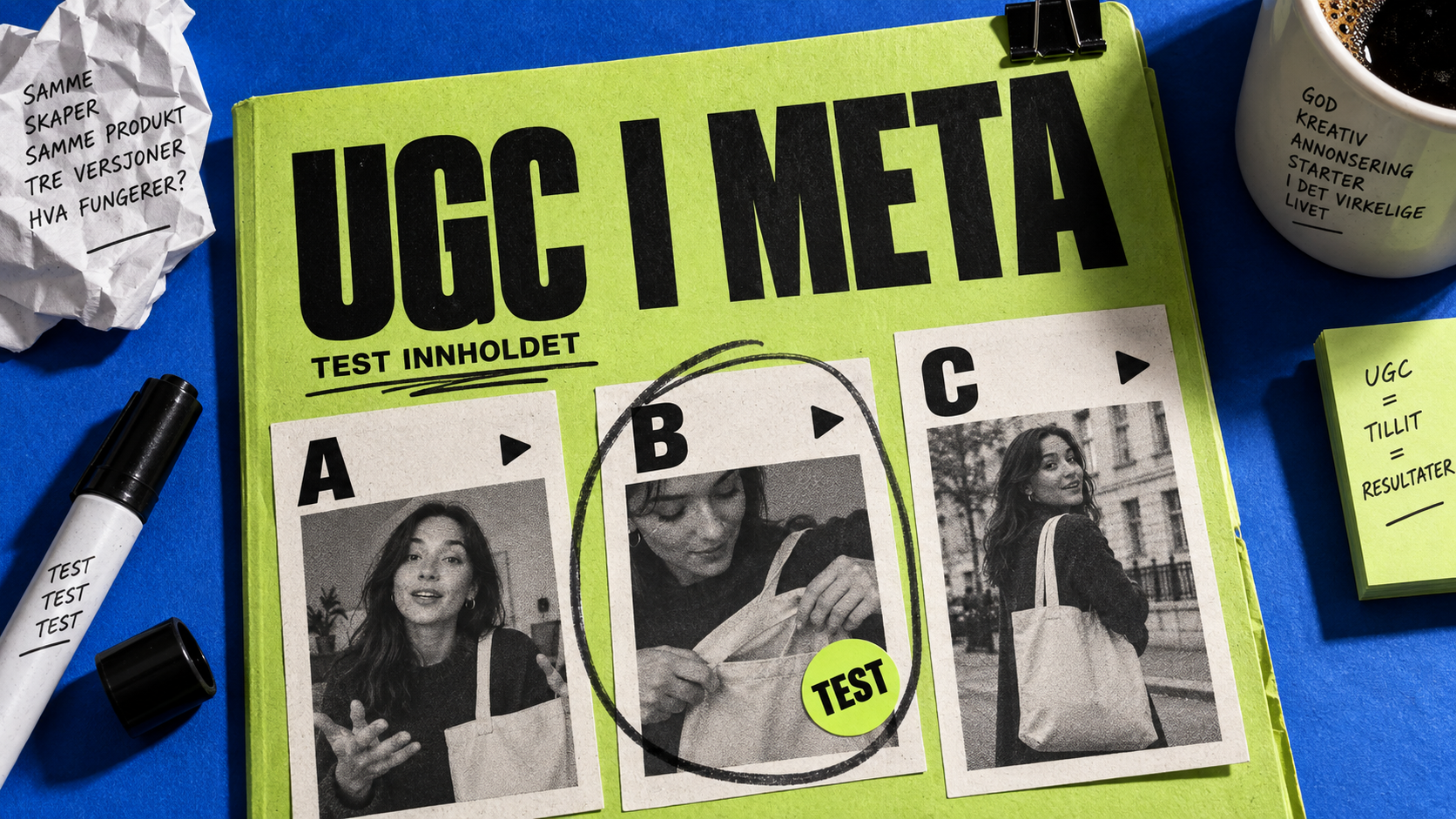
Then brief several creators on the same two or three formats, and ask each creator for more than one hook on the same video. A hook is the cheapest thing to change and often the thing that decides whether anyone watches. Our guide to hook rate explains how to measure how many viewers actually stay past the opening. If you are still finding creators, what a UGC creator does covers what to look for in a portfolio.
Organic, Meta or TikTok Spark Ads: where each UGC video goes
The same video can live in three places, and it often should.
Organic. The creator posts it on their own account, or you post it on yours. It is the cheapest test there is, and organic comments tell you which objections to answer in the next round.
Meta ads. You run the video as a paid ad from your own account or, with the creator's permission, as a partnership ad from their profile. Problem and solution, before and after, testimonial and comparison formats usually carry the most weight here. The setup is in our UGC ads guide.
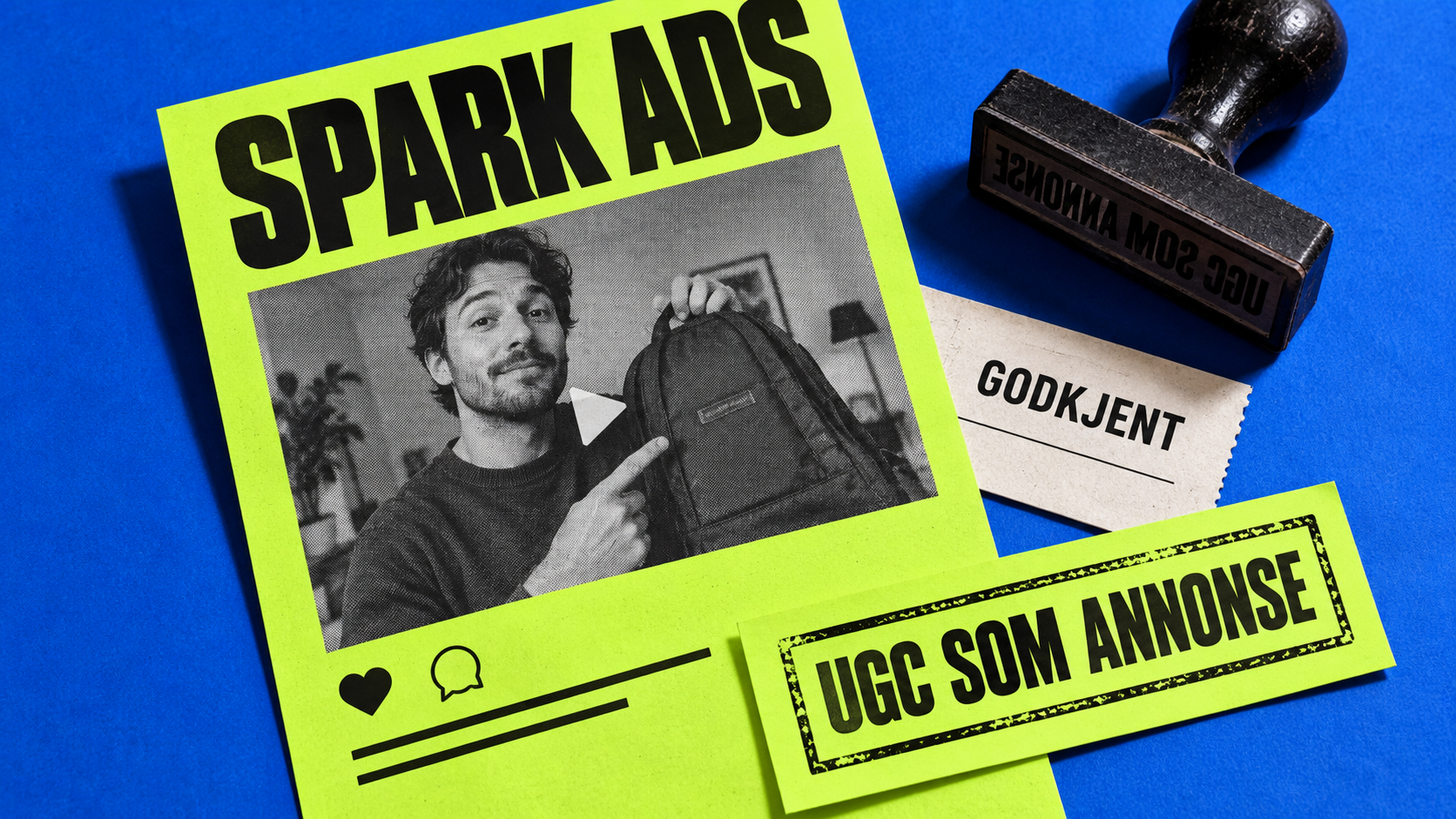
TikTok Spark Ads. You boost the creator's own organic post as an ad, keeping their handle, comments and likes. Reaction, unboxing and day in the life content is at home here because it already looks like the For You feed. See TikTok Spark Ads explained.
Whatever the placement, usage rights have to cover it. A video licensed for organic use cannot automatically run as a paid ad.
The best UGC example is the one that sold
A format list gets you good briefs. It does not tell you which of your videos made money. For that you need to see sales per video, not just views or platform ROAS, because Meta and TikTok will each claim the same order.
Attribyte gives every approved creator video its own trackable link that follows it into organic posts, Meta ads, partnership ads and Spark Ads. Sales are measured in your own Shopify store with 7-day last-click attribution, so you can see which format and which creator actually drove revenue, pay creators commission on those sales, and order more of the format that works.
Frequently asked questions
What are some examples of UGC?
Common UGC examples are unboxing videos, problem and solution videos, customer testimonials, before and after clips, tutorials, day in the life videos, reactions and duets, founder and creator interviews, comparison videos and short tip lists. Outside video, product reviews, customer photos and tagged social posts are user generated content too.
What is a UGC video?
A UGC video is a short, usually vertical video made by a customer or a paid creator rather than by the brand's studio or agency. It is shot on a phone, features a real person, and is designed to look like a normal post. Brands use UGC videos in organic social, as paid ads and on product pages.
What makes a good UGC ad example?
A hook in the first two seconds, a problem or result the viewer recognizes, the product shown in real use, and one clear call to action. It should be vertical, captioned, and work with the sound off. The best ones are usually the third or fourth variation of an idea.
Which UGC format works best for ads?
Problem and solution is usually the first format to test in paid ads, followed by before and after and testimonials. The honest answer is that it depends on the product, so test two or three formats with several creators and measure sales per video.
Can I use a customer's video as an ad?
Only with their permission. A customer's post belongs to the customer. For commissioned UGC, agree on usage rights in writing before delivery, including whether the video can run as a paid ad and for how long. See our guide to UGC usage rights.
How long should a UGC video be?
Most UGC videos land between 15 and 45 seconds. Tutorials and founder stories can run to 60 seconds. Cut every video as short as the story allows, and put the strongest moment in the first two seconds.